What is a Charge Controller?
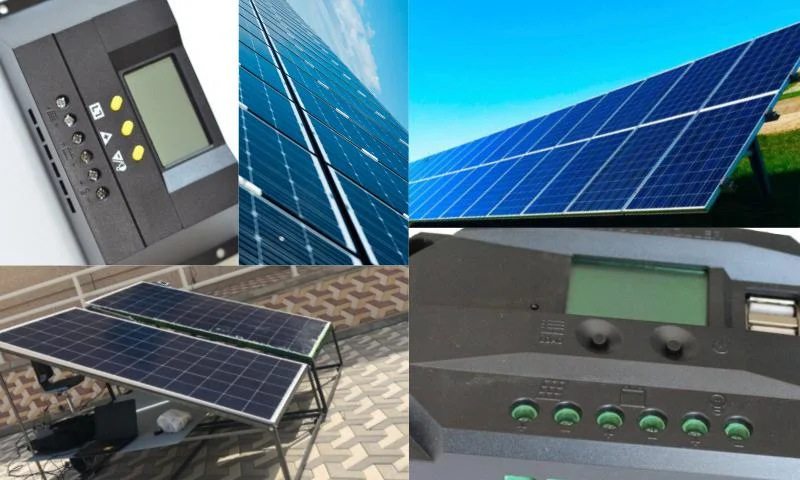
In recent years, solar power plants, which we frequently encounter, use various equipment besides solar panels. A charge controller is a device used in solar energy systems that plays a significant role in the system's operation. To get information on this topic and ask your questions, you can check out related online companies on web pages and conduct a detailed review from there.
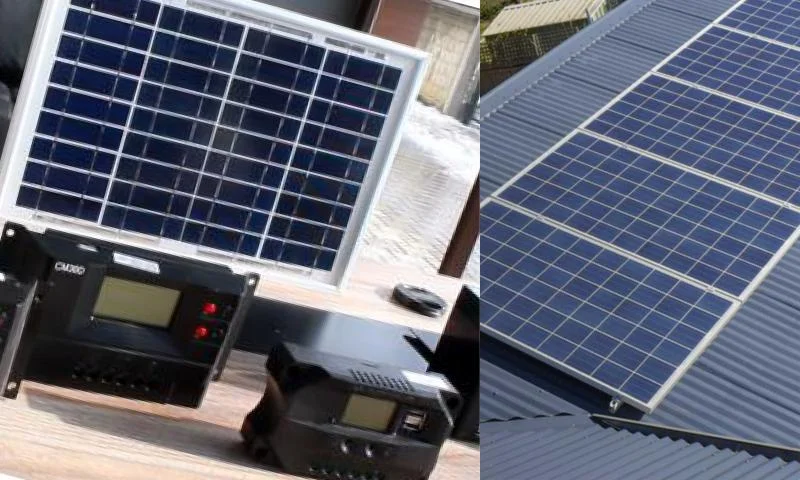
Where is a Charge Controller Used?
A charge controller is a device used in systems that generate electricity with solar panels. It is a device that charges the battery in a controlled manner after the solar energy collected by the solar panels during the day is converted into electrical energy. This device extends the life of the batteries. Charge controllers, which have the feature of balancing incoming current and voltage, ensure that the current flows to the battery for a certain period. After the battery is full, it protects the battery by cutting off the current. Charge controllers, also known as solar charge regulators, are determined according to the size of the system. The charge regulator, determined by the current from the sun and the power of the solar panel, is one of the most important devices affecting the quality and performance of solar energy systems. The higher the quality and efficiency of the charge regulator, the more efficiently the system works and shows high performance.
Choosing a Charge Controller
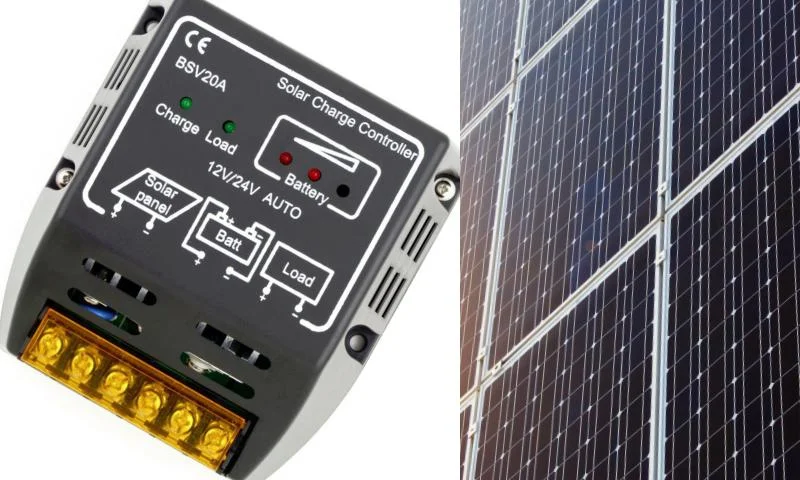
Charge controllers must be suitable for the power of the system they will be used in. When choosing a device, selecting a regulator that is directly proportional to the power of the solar panel system is extremely important for the system to operate with high performance. When the solar panel power is above 450 Watts and 40 Ah, MPPT charge controllers should be selected. For lower values, PWM charge controllers should be selected. Charge controllers suitable for the number of solar panels used in the system should be used.