
Gallbladder Surgery
Gallstones
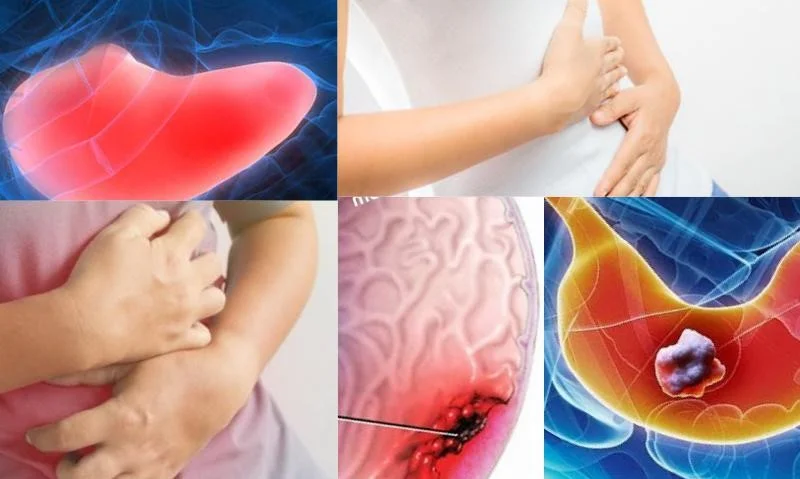
Bile is a component produced in the liver. It plays an important role in the elimination of various wastes in the body and the digestion of fatty foods. The gallbladder, located next to the liver, is a pear-shaped organ. Its function is not to produce bile, but to store and concentrate bile when food is not being consumed, and to pump it into the digestive tract when needed. Among the most common gallbladder diseases are inflammation due to stones, pancreatitis, and bile duct obstruction. For detailed information, you can review the page. Such diseases should be diagnosed with detailed examinations and tests, and gallbladder surgery may be necessary.
How Gallbladder Surgery is Performed
Gallstones are stone-like formations composed of bile components, resulting from precipitation and hardening within the bile. They can vary in size from crystalline sand to small pebbles. Their exact cause is not fully understood, but it can be described as the early reaching of the precipitation point due to insufficient emptying of the gallbladder. The gallbladder needs to be surgically removed. Gallbladder surgery is the only treatment method. Among the open or closed methods of cholecystectomy, the closed surgical technique, known as laparoscopy, is most often preferred. In this method, the surgery is performed by entering through a single incision made above the navel or through four separate small incisions in the abdominal area, without the need for a large cut. The gallbladder is removed as a whole. Thanks to today's developing methods, patients can return to their daily lives and healthy lives after gallbladder surgery. The body can comfortably consume all foods again, and digestion and waste elimination continue healthily. Furthermore, successful outcomes are achieved with laparoscopy in terms of returning to normal after surgery and minimizing pain. Gallbladder surgery removes the gallbladder, which could cause future health problems.