What is Sand Art and Its History

Sand art is the art of creating decorative and aesthetic works using different colored sands. It has an important place among the decorations made with natural materials throughout human history. Sand, first used in religious rituals and ceremonies, was particularly preferred as a symbolic and visual means of expression in ancient civilizations. Modern sand art is mostly practiced for hobby and decorative purposes. Unique patterns are created by placing colored sands in layers into bottles or special panels. Sand art has gained popularity as an activity that both develops creativity and relieves stress. For information on this subject and to ask your questions, you can look at the relevant online firms on the internet pages and examine them in detail from here.
Sand Art Making Techniques and Materials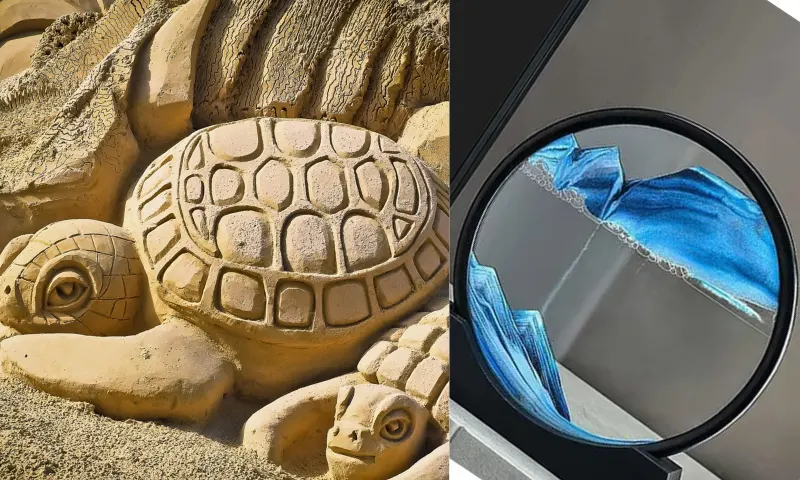
To make sand art, you basically need colored sand, transparent containers or panels, and a thin funnel. As a first step, the colors of the sands to be used and the pattern plan are determined. Then, with the help of the funnel, the sands are placed in the carefully selected areas. It is important to compress the sand and distribute it evenly for the layers to look neat and aesthetic. Care must be taken not to mix different colors. Patience and fine motor skills are also important during sand art work. Those who want to create complex patterns can shape the details using small brushes or sticks. With these techniques, both simple and advanced sand art works can be prepared.
The Importance and Creative Benefits of Sand Art
Sand art not only offers visual pleasure but also provides mental and emotional benefits. The creative process reduces stress and calms the mind. Especially when combined with meditation and mindfulness practices, sand art becomes an activity that enhances focus. It is also a tool that develops the imagination of children and adults. Sand art works, which can be used in home decoration or as gifts, carry personal and aesthetic value. Regular sand art practices strengthen patience, attention, and aesthetic perception, thus standing out as both a fun and beneficial activity.