Fashion Design: The Art Where Creativity Meets Fabric

Fashion design is a creative process that combines aesthetic vision with functionality. This field, which emphasizes that clothes are not just a necessity but also a form of expression, has shown great development over the years. Elements such as color, texture, cut, and silhouette are the fundamental building blocks of fashion design. A fashion design process begins with finding inspiration, and ideas are shaped into sketches. Then, models are created with selected fabrics, and the design is brought to life. As fashion design requires both artistic and technical knowledge, it also entails disciplined work. Therefore, originality, trend following, and technical skill are of great importance to succeed in the fashion world. To get information on this subject and ask your questions, you can look at the relevant online firms on web pages and examine them in detail from there.
The Importance of Fabric, Color, and Model Selection in the Fashion Design Process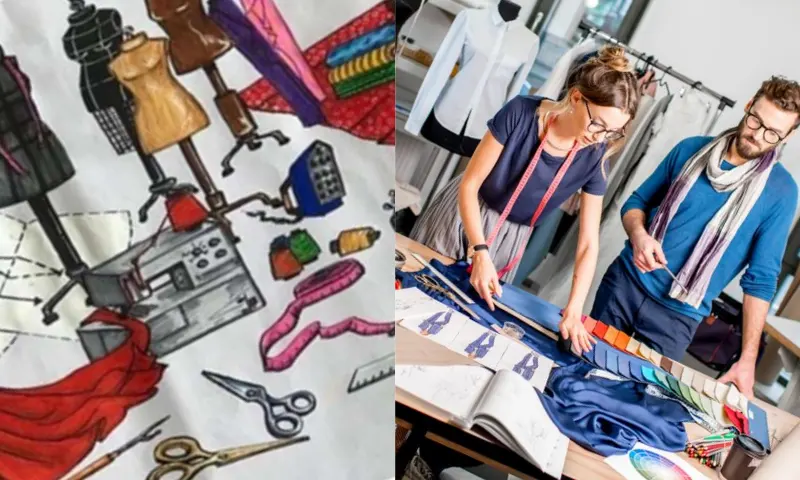
When fashion design is mentioned, one of the most important steps in the process is fabric selection. Fabric directly affects the drape, comfort, and intended use of the design. For example, chiffon and satin are ideal for fluid and elegant designs, while denim is preferred for more casual and durable clothing. Color selection is also one of the determining factors in the fashion design process. Seasonal trends shape the color palette to be used while also revealing the character of the design. Furthermore, model selection is the fundamental factor that determines the final appearance of a garment. The designer creates an original style with lines that best showcase the body. In the field of fashion design, all these decisions come together to create an aesthetic and functional product.
Fashion Design Trends: Sustainability, Minimalism, and Innovative Approaches
Today, fashion design not only focuses on beauty but also brings the concept of sustainability to the forefront. The use of eco-friendly fabrics, collections produced from recycled materials, and an ethical production approach have become an integral part of modern fashion design. Minimalist lines, simple forms, and timeless pieces are also among the prominent trends of recent years. In addition, the impact of technology on fashion design is increasing. 3D printed garments, digital design programs, and AI-supported collections have ushered in a new era in the fashion world. Fashion design today is a dynamic field that blends both traditional craftsmanship and modern technology. Therefore, it offers a constantly renewing creative process.