
The Impact of Correct Lighting Options on the Atmosphere of a Space

Good lighting can completely transform the atmosphere of a space. Choosing the right light according to the purpose of the space ensures that the environment is functionally and aesthetically compatible. For example, while soft, warm-toned lights are preferred to create a relaxing atmosphere in the living room, white, bright lights can be used in the study room to increase focus and productivity. Dimmer lamp options or candlelight can be preferred to create a romantic atmosphere during dinner parties. Lighting also affects the size and shape of a room. Multiple light sources may be needed for larger spaces, while a single central light may be sufficient for small rooms. The combination of different types of lighting for different parts of the space enhances the overall atmosphere and makes the living area more functional. For information on this subject and to ask your questions, you can look at the relevant online companies on web pages and conduct a detailed review from there.
Different Types of Lights and Their Usage Areas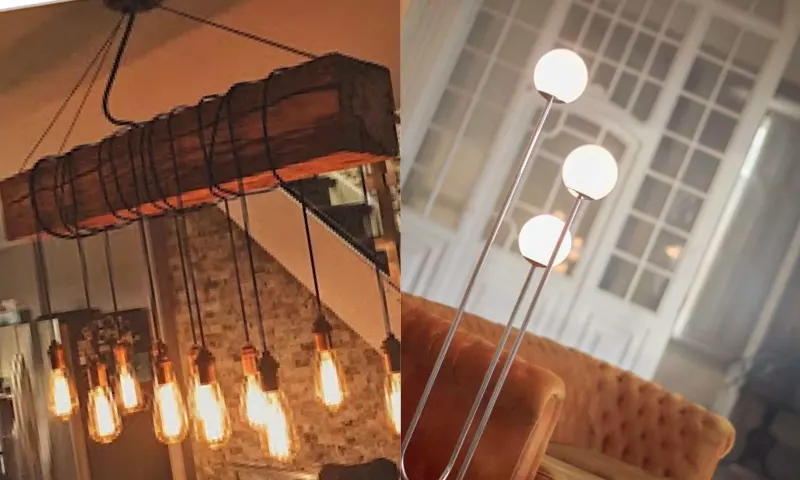
Lighting types used in interior spaces are generally divided into three main categories: general, task, and decorative lighting. General lighting is the primary light source that illuminates the entire area of the room. Chandeliers, spotlights, or LED lights commonly used on the ceiling fall into this category. Task lighting refers to lights used to illuminate a specific area. Desk lamps in the study room or under-cabinet lights in the kitchen are examples of task lighting. Finally, decorative lighting serves an aesthetic purpose and enhances the atmosphere. For example, an aesthetic lamp or illuminated accessories are examples of decorative lighting. Additionally, smart lighting systems are also becoming increasingly popular. These systems allow for changes in light intensity and color, enabling users to instantly adjust their spaces as they wish.
Energy Efficiency and Sustainable Lighting Solutions
Energy efficiency is also an important factor in your lighting choices. Using LED bulbs instead of traditional bulbs saves energy and lasts longer. LED lights minimize energy consumption while offering high light efficiency. Furthermore, sensor-based lighting systems that provide energy efficiency are also popular. These systems automatically turn on the light when movement is detected in the room and turn off the light when no one is present, thus preventing energy waste. Another sustainable option is solar-powered lighting systems. These types of systems can be used, especially in outdoor areas and garden lighting, to adopt an environmentally friendly approach. Opting for sustainable lighting choices contributes to both nature and your budget in the long run.