
Start with the Right Space Selection

The first step in creating an efficient workspace at home is choosing the right location. If possible, a room with natural light, quiet, and less frequently used should be preferred. Separating work and rest areas signals a "transition to work" for the brain and facilitates focus. If you don't have a separate room at home, dedicating a corner solely for work is also sufficient. This area should only be used for work and kept away from distracting elements like a television. Silence is the foundation of concentration; if necessary, sound-insulating headphones can be used. For information on this subject and to ask your curious questions, you can check the relevant online companies on internet pages and examine them in detail from here.
Don't Overlook Ergonomics and Comfort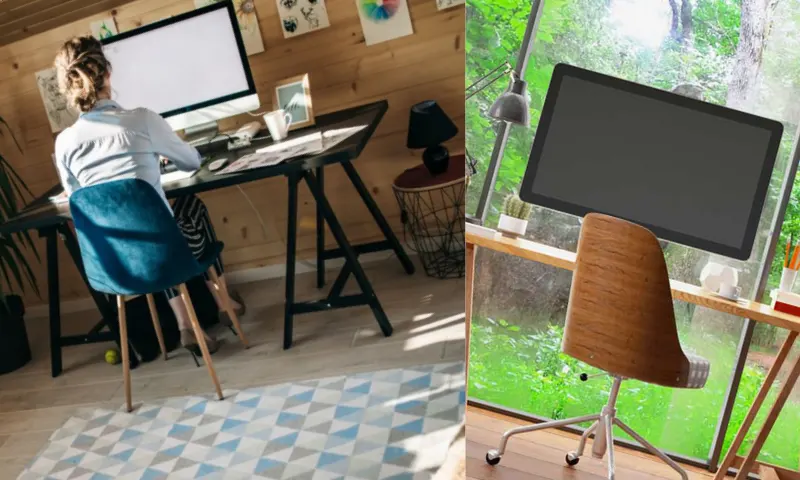
The key to efficient work is not just discipline, but also physical comfort. An ergonomic chair is of great importance for back and neck health. The compatibility of desk height and chair is among the factors to be considered to prevent wrist and shoulder pain. Using a monitor at eye level or a laptop stand reduces eye strain. Additionally, regularly getting up and stretching reduces the harms of prolonged sitting. A comfortable and organized desk increases both productivity and motivation.
Organization, Lighting, and Personal Touches
Having an organized and simple workspace reduces mental clutter. Only have the necessary materials on your desk. Working in an organized environment also positively affects time management. Lighting is as important as location. A desk lamp that does not strain the eyes, preferably close to daylight, should be chosen. Finally, you can add personal touches to the space to increase motivation: Small details like an inspiring painting, a favorite plant, or a motivational note make working more enjoyable.