
Exterior Cladding: Definition and Importance

Exterior cladding refers to the collection of materials and methods used to cover the exterior surfaces of buildings. In addition to adding aesthetic value, this application plays a critical role in enhancing the durability and energy efficiency of the structure. Exterior cladding not only reflects the aesthetic preferences of building owners but also provides protection against external factors. Natural elements such as sun, rain, wind, and snow can cause damage to the exterior surface of the building over time. Exterior cladding extends the life of the building by minimizing such effects. At the same time, it contributes to energy savings by providing thermal insulation and ensuring that interior spaces are more comfortable. Exterior cladding is also of great importance in increasing the value of buildings and offering an environmentally friendly solution. For information on this subject and to ask your questions, you can look at the relevant online companies on web pages and examine them in detail from here.
Exterior Cladding Materials and Application Methods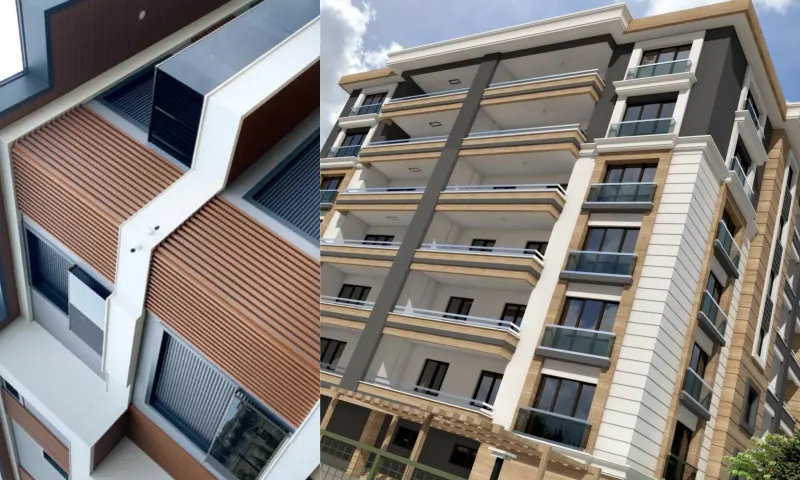
Various materials can be used for exterior cladding, each offering different advantages. The most commonly used materials include wood, stone, brick, metal, composite panels, and ceramic. Wood siding offers a natural and warm appearance but requires regular maintenance. Stone and brick cladding are preferred for their durability and aesthetics, but the installation process can be longer and more costly. Metal cladding provides a modern and industrial look and is long-lasting. Composite panels are popular for their lightweight and easy-to-apply features. Ceramic cladding, on the other hand, shows high resistance to water and abrasion. Application methods vary depending on the material. For example, wood and stone cladding are mounted directly on the wall, while composite panels and metal cladding are applied with special mounting systems. These methods ensure that the material is properly secured and lasts for a long time.
Maintenance and Renovation Process of Exterior Cladding
Exterior cladding requires regular maintenance and occasional renovation to ensure its longevity. The maintenance process can vary depending on the material used. Wood siding should be regularly protected with varnish or paint, and cracks on the surface should be repaired. Metal cladding should be protected against corrosion and cleaned regularly. Stone and brick cladding should be cleaned to prevent the growth of moss and mold, and the grout joints should be checked. Composite panels and ceramic cladding generally require low maintenance but can become dirty over time and may need cleaning. The renovation process is determined by the condition of the existing cladding and the aesthetic preferences of the building owners. The removal of old cladding and the application of new ones should be carried out by a professional team. This process offers an opportunity to enhance the overall aesthetics and value of the building. Furthermore, additional insulation and modern cladding materials can be used during renovation to increase energy efficiency and modernize the structure.